


The Allure of Risk and Reward
The psychology behind casino gambling is deeply rooted in the human attraction to risk and reward. People are naturally drawn to situations that present opportunities for both excitement and the possibility of significant gains, such as when they explore a variety of games at a neosurf casino where the thrill can enhance their overall experience. This intrigue often leads individuals to engage in gambling activities, as the chance of winning can create a sense of euphoria. The thrill of the unknown amplifies the experience, making players feel alive as they place their bets, and this often overshadows the inherent risks associated with gambling. Understanding this attraction is essential for recognizing why many are willing to risk their resources in pursuit of a fleeting moment of triumph.
The concept of risk versus reward can be further understood through the lens of behavioral economics. People tend to exhibit what’s known as “loss aversion,” where the fear of losing is greater than the joy of winning. This psychological framework explains why gamblers often chase losses, returning to the casino in hopes of recouping their money. The emotional turmoil experienced after a loss can lead to irrational decisions, propelling individuals back to the gaming floor, convinced that the next play will be the one that turns their fortunes around. Each spin of the wheel or flip of a card represents not just a gamble but a chance to overturn previous misfortunes, reinforcing the cycle of behavior that keeps them returning.
Moreover, many casino games are designed to exploit this psychological principle. The use of intermittent reinforcement, where players receive rewards sporadically, creates a powerful motivational pull. This mechanism, similar to the way slot machines operate, keeps players engaged and hopeful. When individuals win, even if it’s just a small amount, it triggers the brain’s pleasure centers, reinforcing the desire to continue playing. Consequently, this creates a continuous loop, further embedding gambling into one’s lifestyle, as players begin to associate the casino environment with excitement, hope, and the potential for financial gain.
The Role of Environment and Design
The physical environment of a casino plays a crucial role in shaping the gambling experience. Casinos are strategically designed to create a stimulating atmosphere that keeps players engaged. From the vibrant colors and sounds to the layout of the gaming floor, every element is carefully crafted to evoke excitement and minimize distractions that could lead to decision-making outside of gambling. For instance, the absence of clocks and windows reinforces the feeling of timelessness, making it easy for players to lose track of time, thus prolonging their stay and increasing their betting activity.
Additionally, the aromas and lighting in casinos are deliberately manipulated to enhance the experience. Studies have shown that certain scents can influence players’ emotions, encouraging them to spend more time and money. Bright lights and celebratory sounds often accompany wins, further reinforcing the psychological connection between the environment and the excitement of gambling. This sensory stimulation can significantly impact a player’s willingness to continue betting, leading to prolonged gambling sessions where the environment continuously reinforces the desire to engage in more risky behavior.
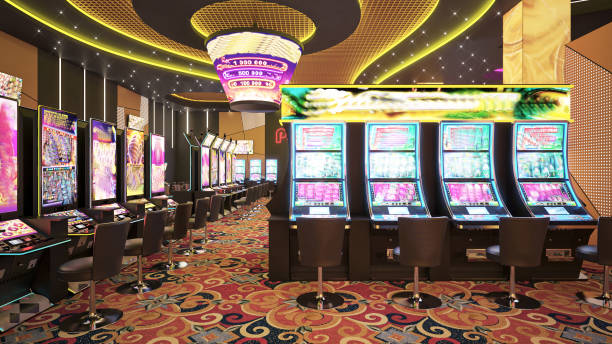
Social dynamics also play a significant role in the gambling experience. The presence of other players can create a sense of camaraderie, fostering an environment where friends and strangers alike share in the highs and lows of gambling. This shared experience can amplify excitement and lead to increased spending, as individuals may feel compelled to join in on group activities. The social aspect of gambling reinforces participation and fosters a community, making it harder to withdraw from gambling once engaged. The combination of an inviting atmosphere and social interactions keeps players returning, further entrenching them in the gambling culture.
The Influence of Cognitive Biases
Cognitive biases significantly impact gambling behavior, often leading individuals to make irrational decisions. For example, the “gambler’s fallacy” is a common misconception where players believe that past events influence future outcomes. Many gamblers think that if a particular outcome hasn’t occurred for a while, it’s more likely to happen soon, even when each event is statistically independent. This flawed reasoning can lead to increased bets, as individuals chase a perceived ‘due’ win, often ignoring the fundamental principles of probability that govern these games.
Another prevalent cognitive bias is the “illusion of control,” where gamblers overestimate their ability to influence outcomes in games of chance. This is especially pronounced in games like dice or cards, where players may believe that skill can overcome luck. Such misconceptions can perpetuate continued gambling, as players develop a false sense of confidence that they can beat the odds. This bias is often exploited in marketing strategies, where players are encouraged to believe that expertise will lead to better results, further complicating their ability to make rational decisions.
Moreover, the “hot hand fallacy” contributes to ongoing gambling behavior. This bias leads individuals to believe that a streak of good luck will continue, prompting them to increase their bets. For example, a player who wins several rounds in a row may feel invincible and wager more, ignoring the reality that each game is a separate event with its own probability. Understanding these cognitive biases is essential for recognizing the psychological mechanisms at play in gambling, highlighting the challenges individuals face when trying to maintain control and make informed decisions about their gambling activities.
The Emotional Rollercoaster of Gambling
The emotional journey of a gambler is often akin to a high-stakes rollercoaster ride, filled with highs and lows that affect decision-making. Winning can lead to feelings of euphoria and confidence, while losing can result in frustration and despair. These emotional responses can be powerful, influencing future betting behavior. For many, gambling serves as an escape from everyday stresses, with the adrenaline rush providing a temporary reprieve from reality. This emotional immersion can make it difficult to set limits, as individuals chase the joy of winning and often ignore the potential consequences of their actions.

Moreover, the concept of “tilt” describes the emotional state that arises after a significant loss. In this heightened emotional state, rational thinking is often compromised, leading individuals to make impulsive decisions to regain losses. This cycle of “playing on tilt” can further exacerbate financial difficulties, trapping gamblers in a loop of chasing their losses without a clear exit strategy. Recognizing how emotions dictate behavior is vital for managing gambling, as awareness can mitigate the tendency to act on impulse and lead to healthier gambling practices.
In addition, the social stigma attached to problem gambling can lead to feelings of shame and isolation. Many gamblers do not seek help due to fear of judgment, which can increase the emotional burden. This stigma can create a vicious cycle of secrecy and shame, pushing individuals deeper into their gambling habits. Understanding the emotional aspects of gambling can provide insights into the need for support and intervention, whether through personal connections or professional help. By addressing these emotional challenges, individuals can better navigate the complexities of gambling behavior and work towards recovery.
Understanding the Impact of Gambling Websites
The rise of online gambling websites has transformed the landscape of casino gambling, bringing new psychological dynamics into play. Digital platforms often utilize sophisticated algorithms and persuasive design to keep users engaged for longer periods. Features like live dealer games and interactive platforms replicate the casino experience, creating a sense of familiarity that can hook players. The accessibility of these sites allows for gambling anytime and anywhere, intensifying the potential for problematic behavior and making it easier for individuals to lose track of their spending.
Moreover, online gambling platforms frequently employ marketing strategies that appeal to emotions, utilizing bonuses and promotions to entice new players. The instant gratification offered by these platforms can further exacerbate risky behavior, as players can wager small amounts without the immediate consequence of cash exchange often felt in physical casinos. This aspect can desensitize players to their spending, making it easier to overlook how much they are wagering over time. The blend of convenience and emotional appeal can lead to an increase in gambling-related issues.
As the digital gambling landscape continues to evolve, understanding the unique psychological implications becomes increasingly important. The interplay between design, accessibility, and emotional engagement shapes how individuals interact with these platforms. Resources and support systems are essential for those engaging with online gambling, as they navigate the mental and emotional challenges that accompany their gaming experiences. Recognizing the psychological dynamics at play is crucial for promoting healthier gambling behaviors and fostering awareness about responsible gaming practices. Ultimately, understanding these factors can empower individuals to make informed decisions and manage their gambling activities more effectively.